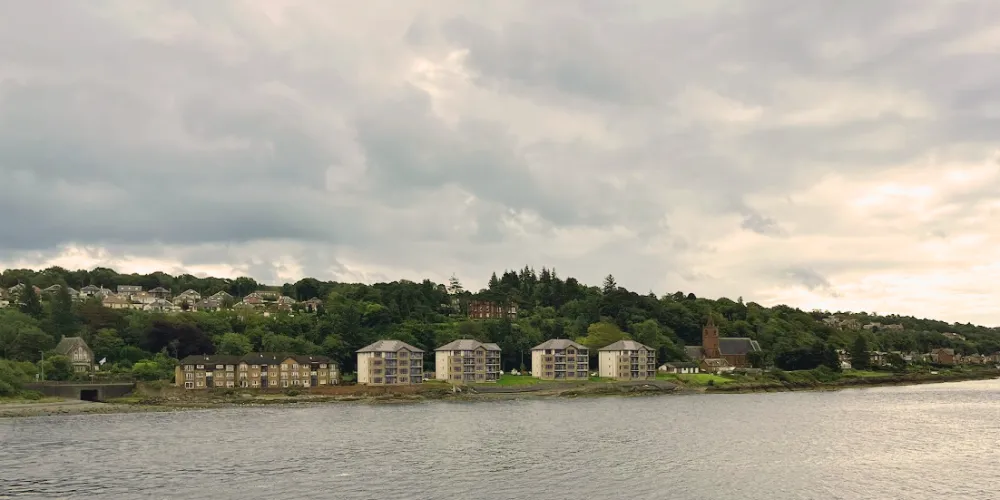
LOOKING AHEAD: The Skelmorlie Local Place Plan looks to help development across the village (Image: North Ayrshire Council)
A new community-led plan setting out priorities for the future development of Skelmorlie has been approved for registration by North Ayrshire Council.
The Skelmorlie Local Place Plan was developed by Skelmorlie Community Council and the Skelmorlie Environment Trust, allowing residents to voice their ideas and proposals for how the village’s land and buildings should be used.
NAC will now have to take the plan into account when it prepares its next Local Development Plan, which will guide development across the area in the coming years.
Among the priorities identified are improvements to flood defences along the A78 Shore Road, better public transport links within the village, and safer, more accessible bus stops and footways.
Commenting on the plans, Cllr Alan Hill said: “The Local Place Plans are a new concept but will be invaluable and feed into our Local Development Plans. It is great that we now have a Skelmorlie Place Plan and it will be highly invaluable when we produce our Local Development Plan.
“By setting out a clear vision for Skelmorlie’s development, the plan will provide an important reference point as North Ayrshire Council prepares its next Local Development Plan and considers future investment and development opportunities.”
The plan also highlights opportunities to improve sections of the Ayrshire Coastal Path between Skelmorlie Castle Road and Meigle, benefiting both local residents and visitors.
The A78 coastal road between Largs and Skelmorlie suffered damage as a result of Storm Boelo in October forcing closurse due to its “unsafe” surface but has reopened for access as of 17 November with traffic management set to remain in place.
Skelmorlie becomes the seventh area in North Ayrshire to have a community-led Place Plan registered, with previous plans having been developed for the likes of West Kilbride, Stevenston, Largs, and the Garnock Valley.
The plans allow communities to identify local priorities, suggest solutions to challenges such as climate change and inequality, and help bring forward projects to create positive change.